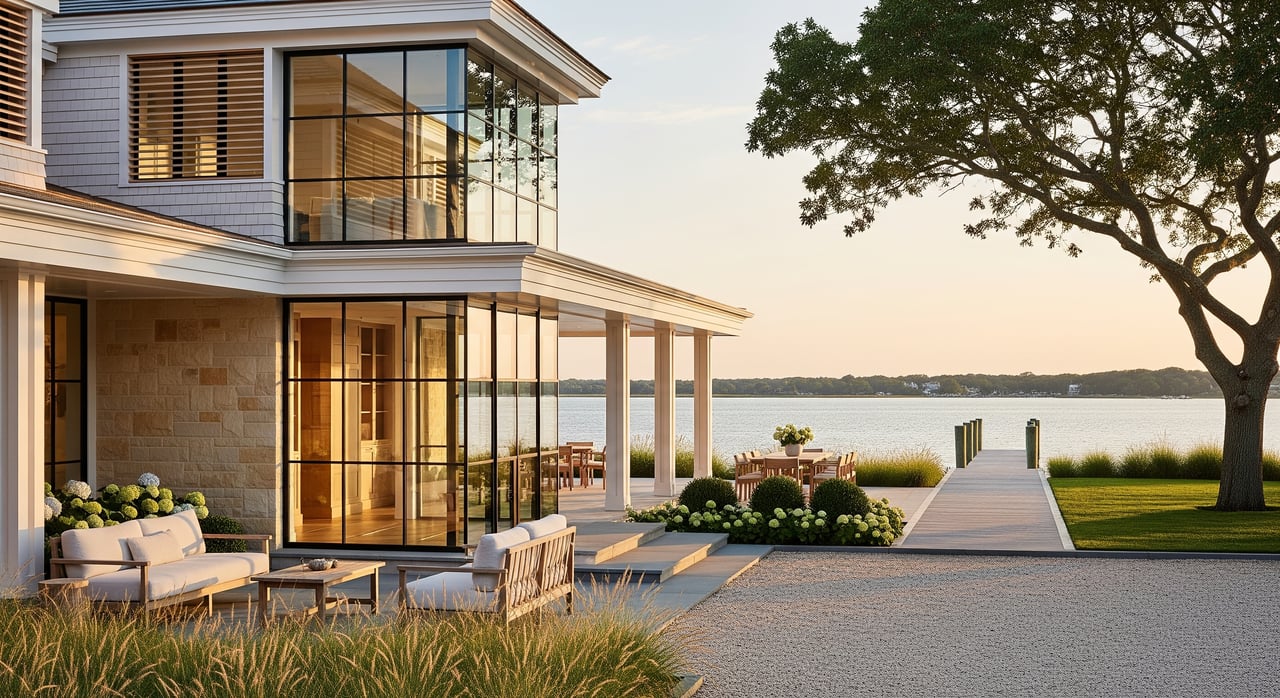
Are you wondering what price will attract serious buyers for your Wading River home and how to launch the listing the right way? Selling on the North Shore involves unique coastal factors, from flood zones to septic considerations, and timing can make a real difference. In this guide, you’ll learn how to set a market-smart price, prepare your home on a clear timeline, and execute a launch that reaches the right buyers. Let’s dive in.
Know Wading River market drivers
Pricing in Wading River is influenced by geography, utilities, and regulations that affect buyer demand and financing.
- Waterfront and water-view influence. Proximity to Long Island Sound, beaches, and marinas often commands a premium. Waterfront, water-view, and water-adjacent homes are valued differently, including frontage, elevation, dock or bulkhead condition, and insurance considerations.
- Seasonality. Activity typically rises in spring, with additional interest from coastal and second-home buyers in late spring and summer. Your launch timing should match your property type and target buyer.
- Commuter considerations. Many buyers weigh routes to major job centers across Long Island and toward NYC. Highlight convenient road access and nearby transit options without promising specific commute times.
- Septic, well, and municipal utilities. Many Suffolk County homes use septic systems and sometimes private wells. Buyers and lenders will scrutinize system age, condition, and records. If your home has municipal connections, have documentation ready.
- Flood risk and coastal rules. Know your FEMA flood zone, elevation details, and whether flood insurance may be required by lenders. Coastal and wetlands regulations can limit improvements and should be disclosed early.
- Local services and schools. Proximity to parks, marinas, dining, and Town of Riverhead services influences buyer interest. Encourage buyers to verify school district boundaries if that is important to them.
- Inventory and buyer mix. Wading River attracts a blend of year-round residents, commuters, retirees, and seasonal buyers. The luxury and waterfront segment can move differently from entry-level neighborhoods, so tailor pricing and marketing to your likely buyer.
Price with local comps
Your starting point is a Comparative Market Analysis. Look at recent closed sales of truly comparable homes, not just nearby addresses.
- Match by location and lot type. Waterfront is not directly comparable to inland. Adjust for frontage, elevation, and water access.
- Align age, size, and condition. Compare similar styles, square footage, and renovation level. Consider septic versus municipal utility status.
- Weigh closed sales most. Use active and pending listings as directional competition checks, but anchor your price to recent closed data.
- Account for coastal variables. Small differences in bulkhead condition, dock access, and flood zone can cause large valuation shifts. Include these in adjustments.
A strong CMA explains comps from the last 3–6 months, current competition, pending contracts where available, days on market trends, and multi-year neighborhood price patterns. This gives buyers and appraisers confidence and supports your list price.
Choose a pricing strategy
Different goals and market conditions call for different tactics. Consider which approach aligns with your timeline and risk tolerance.
- Market-value pricing. List near likely appraisal value to maximize buyer confidence and reduce appraisal gap risk for financed buyers.
- Slightly under market. Aim to attract multiple offers quickly. Works best in tight inventory or for entry-level price points.
- Price high and adjust. Sometimes appropriate for truly unique or luxury homes, but expect longer days on market and fewer showings if demand is thin.
- Coming soon versus active. A short coming soon period can build buzz without starting the days on market clock. Follow local MLS rules and be ready with full media when you go active.
Your agent should help you assess the likely buyer pool, comparable strength, and the pace of nearby pendings before finalizing the strategy.
Pre-listing prep: 2–8 week plan
Use this sequenced checklist to stay on track. Your timeline may compress or stretch based on condition and urgency.
Week 0–1: Gather documents
- Deed/title information and most recent property tax bill
- Mortgage payoff info if you want a payoff figure
- Existing survey and certificates of occupancy or permits
- Septic and well records, HOA documents if applicable
- Utility bills for the last 12 months and any warranties
- Prior inspection reports, contractor invoices, and as-built drawings
Week 0–2: Assess condition and disclosures
- Walk-through with your agent or consider a pre-listing inspection
- Septic inspection and well water test if applicable
- Prepare required disclosures: lead-based paint for homes built before 1978 and New York state and local forms as advised by your attorney or listing broker
Week 1–4+: Repairs and permits
- Prioritize safety and structural items: roof, HVAC, electrical, water intrusion
- Fix issues that could derail a buyer’s financing or inspection
- Verify permits for prior renovations. Resolve open permits or discrepancies early to build buyer confidence
Week 2–4: Staging and curb appeal
- De-clutter and depersonalize
- Deep clean and paint in neutral tones
- Refresh landscaping and address exterior items like siding, deck, and walkways
- Consider professional staging for higher-priced or vacant homes
Week 3–4: Marketing assets
- Professional photography, including twilight images for waterfront homes
- Floor plans, site plan with lot lines and water access where relevant
- Video or 3D tour for remote buyers; drone imagery for waterfront or larger lots
- Accurate, feature-forward description that highlights unique benefits such as elevation, bulkhead condition, recent upgrades, and proximity to marinas
Week 4: MLS launch
- Complete and accurate MLS entry with lot size, utility details, waterfront footage, and flood zone fields
- Upload required disclosures and schedule a broker open before the first public open house
Typical timelines: Quick-listing takes about 1–2 weeks with minimal repairs and an aggressive price. Standard listing prep often runs 4–6 weeks. Premium prep with renovations or permits can take 6–12 weeks or more.
Verify permits, utilities, flood, and septic
Buyers and lenders will verify these items. Address them upfront to protect your price.
- Flood zone and insurance. Identify the FEMA flood zone and whether an Elevation Certificate is available for homes in Special Flood Hazard Areas. Flood insurance requirements can affect buyer eligibility and monthly costs.
- Septic and well status. Provide inspection results or maintenance records. Failing systems can impact financing and negotiation leverage.
- Utilities. Confirm municipal water or sewer connections where present and provide documentation. If private systems serve the home, organize those records.
- Permits and certificates. Bulkheads, decks, additions, finished basements, and significant remodels often need permits. Unpermitted work can delay closing or reduce offers. Clear these issues before listing when possible.
Create standout marketing for Wading River
Your launch should speak directly to the most likely buyers for your property type.
- Waterfront buyers. Emphasize water depth, dock or mooring potential, bulkhead condition, wave exposure, and quick access to marinas and fishing spots. Twilight photography and drone video can showcase water views and outdoor living.
- Family and commuter buyers. Highlight nearby parks, community amenities, and access to regional roads and transit. Encourage verification of school district boundaries if those are important to the buyer.
- Second-home and investors. Note seasonal appeal and local summer demand where permitted. Provide clear guidance on any restrictions relevant to rentals.
Amplify exposure through MLS syndication, targeted social media, email campaigns to local brokerage networks, and select print for upper-tier waterfront homes. Broker opens and agent previews help drive early momentum.
Plan showings and negotiation
Make it easy for buyers to experience the home in person or virtually.
- Offer flexible showing windows, including weekends and summer slots when coastal buyers are active
- Provide virtual tours and live video walkthroughs for out-of-area buyers
- For waterfront homes, guide visitors to access points and safety features during showings
When offers arrive, compare more than price. Consider financing strength, inspection and appraisal contingencies, timing, and any sale-of-home clauses. In competitive moments, you may use a best-and-final deadline or consider escalation clauses. Set expectations early and communicate how offers will be evaluated.
Avoid common pitfalls
- Overlooking flood, septic, or permit issues until after going active can reduce leverage and extend days on market
- Using inland comps for waterfront pricing can inflate expectations and risk appraisal problems
- Rushing photos and media can undercut your launch. High-quality visuals are critical for coastal and out-of-area buyers
- Pricing too high without a data story can stall the listing. Pricing too low without a strategy can leave money on the table
Your next step
A tailored pricing and launch plan gives you control over timing, presentation, and negotiation. With clear comps, verified property details, and targeted marketing, you can attract the right buyers and secure a strong outcome. If you’d like a data-driven pricing review and a step-by-step launch plan specific to your home, connect with Donna Neyland to get started.
FAQs
How do flood zones affect selling in Wading River?
- Determine your FEMA flood zone and whether flood insurance will be required, then share any Elevation Certificate and insurance details early so buyers and lenders can assess risk and costs.
What documents should I gather before listing?
- Assemble deed and tax bill, survey, permits and COs, septic and well records, HOA docs if applicable, 12 months of utilities, warranties, and any prior inspection or contractor reports.
Should I get a pre-listing inspection?
- A pre-listing home and septic inspection can surface issues that might disrupt financing or negotiations, giving you time to repair, price accordingly, or disclose.
When is the best time to list in Wading River?
- Spring typically sees strong activity, with added coastal interest late spring into summer, but your optimal timing depends on your home type, prep needs, and current competition.
How are waterfront homes appraised differently?
- Appraisers weigh frontage, elevation, bulkhead and dock condition, wave exposure, and recent waterfront comps; sparse comps can increase appraisal variability, so complete documentation helps.
How long does prep usually take before listing?
- Quick launches can be 1–2 weeks, standard prep often runs 4–6 weeks, and renovation-heavy or permit-clearing timelines can extend to 6–12 weeks or more.