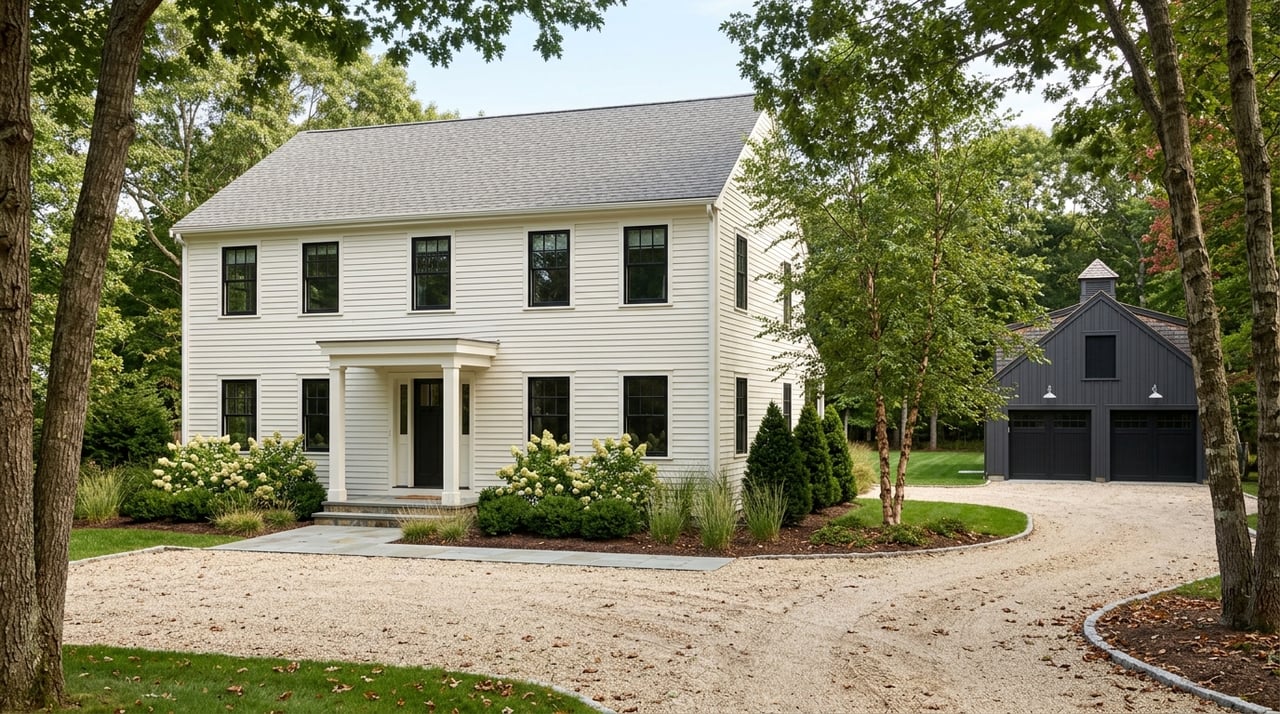
Thinking about trading a small suburban yard for real elbow room in Manorville? Acreage here offers the privacy and space for gardens, workshops, and quiet nights under the stars. But buying land in Manorville is different from buying on a typical neighborhood lot. In this guide, you’ll learn the key rules, utility checks, costs, and steps that protect your purchase and your plans. Let’s dive in.
Why Manorville acreage appeals
Manorville sits on the eastern side of Suffolk County and blends a semi‑rural feel with access to North and South Shore amenities. You’ll find larger lots, wooded backdrops, and room for hobbies that need space. Many buyers use acreage for privacy, home-based projects, or small-scale equestrian and gardening goals.
A unique factor here is the Central Pine Barrens. Parts of Manorville fall within this protected landscape, which shapes what you can clear and build. Understanding that overlay up front keeps your plans realistic and your timeline on track.
Where you can build and what rules apply
Brookhaven vs. Riverhead: confirm your town
Manorville spans two towns. Most parcels sit in the Town of Brookhaven, while a small northeast corner lies in the Town of Riverhead. Town lines matter because zoning, permits, and inspections run through the town that governs your lot. Before you get attached to a property, confirm the tax‑map ID, town jurisdiction, and zoning district. Brookhaven’s Chapter 85 zoning is published online, and Riverhead maintains its own zoning schedule. Start by reviewing the town code and zoning map to see permitted uses, lot size, and setbacks for your parcel’s district. You can find Brookhaven’s code on eCode360 under Chapter 85 zoning at Brookhaven zoning on eCode360.
Pine Barrens overlay: Core vs. Compatible Growth
The Central Pine Barrens Protection Act created two mapped areas: the Core Preservation Area and the Compatible Growth Area. Parcels in the Core face the strongest limits on clearing and new development, and approvals may be slower or require mitigation. Even in the Compatible Growth Area, extra referrals and rules can apply. Treat the Pine Barrens overlay as a primary land‑use constraint and confirm where a lot sits on the map. The full program rules and maps are published by the Central Pine Barrens Commission; review the details in the Central Pine Barrens Comprehensive Land Use Plan.
Wetlands and conservation checks
Low or swampy areas, ponds, and certain streams can trigger town or state wetlands permits and reduce your buildable area. Ask whether any conservation easements, deed restrictions, or mapped wetlands affect the parcel. Brookhaven’s wetlands and waterways rules are posted online; start with the town code section on wetlands and waterways permits and confirm jurisdiction with the town planner.
Utilities on acreage: water, septic, power, internet
Public water vs. private well
Historically, many Manorville homes used private wells. In 2024, the Suffolk County Water Authority completed a multi‑phase extension that brought safe public water to over 100 homes in Manorville. If a main now runs near your road, connecting to public water can change both your costs and your peace of mind. Ask whether the property has an existing lateral or is eligible for hookup. You can read more in SCWA’s update on the public‑water extension in Manorville.
If the home still uses a well, order a certified lab test early in due diligence. Include bacteria and nitrates, and add PFAS and any site‑specific contaminants relevant to the area’s testing history. Ask the seller for prior results and maintenance records.
Septic realities and upgrade grants
On acreage, you will likely find a cesspool or conventional septic system. Suffolk County and New York State offer grant programs to replace older systems with nitrogen‑reducing I/A OWTS units. These incentives can significantly offset upgrade costs and affect how you structure your offer and contingencies. Start with New York State’s Septic System Replacement Fund overview and confirm local eligibility with Suffolk County.
I/A OWTS systems require ongoing operation and maintenance. Suffolk County’s recent implementation plan cites about $500 per year for typical I/A O&M. Factor that into your annual costs. You can review program context and cost assumptions in the county’s septic implementation plan. For projects that need health department approvals, your inspector or engineer should follow the county’s final‑approval checklist; see the SCDHS instruction sheet for residential wastewater approvals.
Power, service upgrades, and internet
PSEG Long Island serves most of Suffolk County. On larger parcels, confirm whether lines are overhead or buried, transformer capacity for outbuildings, and whether you will need a new service drop or meter upgrade for a workshop. For planning and quotes, start with PSEG LI’s service information and check for any neighborhood upgrades noted in their newsroom updates.
Broadband varies by address. Some corridors have fiber or cable, while others rely on fixed wireless, 5G‑home, or satellite. If you work from home or stream heavily, confirm options directly with providers at the property’s exact address.
Ongoing costs you should plan for
Acreage changes your monthly and seasonal budget. Build a realistic cashflow plan so surprises do not derail your first year.
- Driveways and snow: Long private drives cost more to build, re‑surface, and plow. If access is by a private road, look for a written maintenance agreement and ask about annual costs. For right‑of‑way work, the county and town have rules; see Suffolk’s Public Works FAQ on road and permit basics.
- Mowing and brush control: Whether you hire it out or buy equipment, costs scale with acreage. Ask for contractor quotes during inspections.
- Tree care: Large trees need periodic pruning, storm cleanup, or removal. An arborist can flag hazard trees during your inspection period.
- Fencing and animals: If you plan equestrian or hobby livestock uses, confirm setbacks and storage rules with the town before you build.
- Water and septic: Budget for well testing or filtration if needed, and plan for septic pumping. If you install an I/A OWTS, set aside about $500 per year for O&M based on the county plan noted above.
Before you fall in love: 8 things to check on acreage
- Confirm town, tax‑map ID, and zoning. Ask Brookhaven or Riverhead to verify your zoning district and dimensional rules. Start with the town code and zoning maps; Brookhaven posts Chapter 85 at eCode360.
- Gather permits and records. Request seller disclosures, certificates of occupancy, as‑built surveys, and any prior septic or well permits. Your inspector or engineer can use the SCDHS final‑approval checklist in the residential wastewater instruction sheet.
- Order a survey. Confirm boundaries, encroachments, buildable envelope, and any recorded conservation easements.
- Inspect the septic system. Identify system type and condition, camera where accessible, and request SCDHS records. Check your eligibility for state and county grants at the Septic System Replacement Fund page.
- Test well water or confirm public hookup. If the home uses a well, order lab testing that includes PFAS where relevant. If a main is nearby, ask SCWA about connection options; see the SCWA Manorville project summary.
- Screen for wetlands and waterways rules. If the site includes low areas or a pond, you may need permits. Start with Brookhaven’s wetlands and waterways code and confirm with the town planner.
- Check Pine Barrens status. Identify whether the parcel is in the Core or Compatible Growth Area and ask about past decisions or mitigation. Review the Central Pine Barrens plan and speak with the town planner early.
- Review hazards and insurance. Confirm your flood‑zone at FEMA’s Map Service Center and ask your agent about coverage for outbuildings and any specialty uses.
What the market says about acreage
Different data services report different medians for Manorville. Recent examples show a range from about $599,000 (median list price as of Dec 2025) to roughly $690,000 to $800,000 depending on the dataset and date. The spread reflects data source, timing, and whether the metric tracks list price or sales. On acreage, lot size, permitted uses, and location within or outside Pine Barrens overlays often explain most of the value difference. Use hyperlocal comps to price and negotiate, and adjust for utilities and upgrade needs like septic.
How a local agent streamlines this
Buying acreage has more moving parts than a typical home purchase. An experienced local agent coordinates the steps so you can focus on value.
- Confirm your town, zoning, and tax‑map info before you write an offer, and pull the relevant code sections.
- Collect permits, COs, and SCDHS records from the seller or by request, then flag any open permits or corrections.
- Add targeted contingencies: septic/well, survey, Pine Barrens or wetlands, and access/road maintenance.
- Line up specialists who know Suffolk rules: septic inspectors and engineers, a well lab, surveyor, arborist, and a permit expediter if you plan projects.
- Check septic‑grant eligibility and timelines early so you can factor net costs into your offer and schedule.
Ready to find the right Manorville acreage and move with confidence? Reach out to Donna Lomenzo for local guidance, sharp negotiation, and a clear plan from first showing to closing.
FAQs
Can I build a barn or workshop on a Manorville acreage lot?
- Maybe. It depends on your town and zoning district, plus any Pine Barrens or wetlands overlays. Expect permits for most outbuildings beyond small sheds and confirm setbacks before you design.
How do I know if a Manorville home can connect to public water?
- Ask whether a water main is on your road, if there is an existing lateral, and what connection or assessment costs apply. If not, plan for a certified well test that includes PFAS where relevant.
What should I budget for septic if I upgrade to an I/A OWTS?
- Grant programs can offset installation costs, and you should plan for about $500 per year in operation and maintenance based on Suffolk County’s implementation plan.
Do Pine Barrens rules affect clearing trees on my land?
- Yes, if your parcel is in the Core or Compatible Growth Area, clearing and site work can be limited or require special approvals. Always verify your overlay status before you cut or grade.
What are common hidden costs with long driveways and private roads?
- Expect higher snow removal, resurfacing, and drainage maintenance. If access uses a private road, look for a written maintenance agreement and ask about annual contributions.
How can an agent help me avoid surprises on acreage?
- A local agent coordinates zoning checks, septic and well inspections, surveys, Pine Barrens reviews, and the right contingencies, then brings in trusted specialists to keep your deal on track.