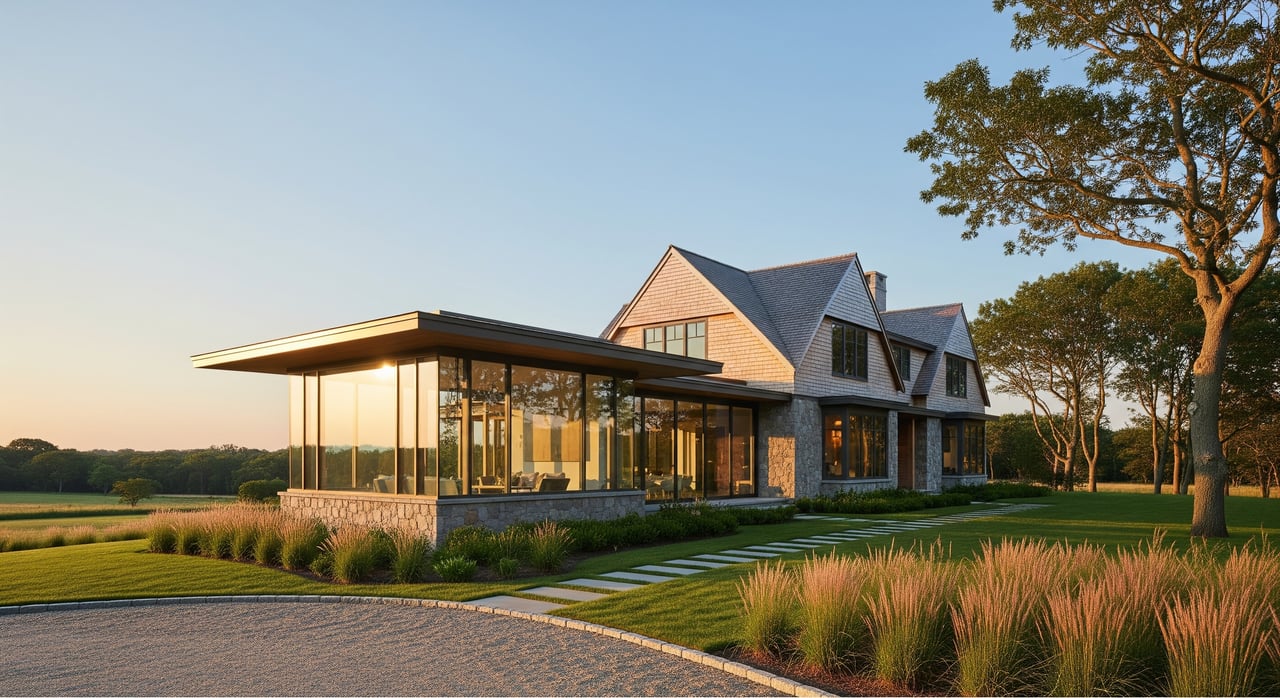
Trying to decide between a brand-new build or an established home in Manorville? You are not alone. Budget, timing, commute, school district lines, and long-term upkeep all factor into this choice on Long Island. In this guide, you will learn the real tradeoffs in Manorville, including costs beyond the list price, how septic and utility rules can shape your plan, and clear checklists to keep you on track. Let’s dive in.
Manorville housing at a glance
Manorville sits in central-eastern Suffolk County in the Town of Brookhaven. The area feels more suburban and rural compared with western Nassau County. You will find mostly single-family homes, larger lots, and some remaining undeveloped parcels.
Demand is shaped by commuting patterns and school district boundaries, including the Eastport–South Manor Central School District in much of the area. Property taxes on Long Island are a major carrying cost, and limited buildable land influences prices for both new builds and resale homes.
New vs resale: cost realities in Manorville
Purchase price and total cost
- New construction: The headline price often does not include full site work. In Manorville, septic systems, potential well installation, tree clearing, grading, driveways, and utility extensions can add significant cost. Builder upgrades from base finishes can add up quickly.
- Resale: You often see a lower price per square foot. Older homes may need near-term improvements like roofs, HVAC, insulation, windows, or kitchens and baths. Renovation labor and permits on Long Island can cost more than many national averages.
Tip: Build an apples-to-apples comparison that includes purchase price, expected renovations or site work, transfer taxes, closing costs, and property tax changes.
Timing and certainty
- New construction: Typical spec or semi-custom builds take about 6 to 12 months after permits. Custom builds and homes that need septic, wetland, or utility approvals can take 12 to 18 months or more.
- Resale: With a signed contract and financing in place, you can often close in 30 to 60 days. If you need to move on a set timeline, resale usually wins.
Customization and finishes
- New construction: You control layout and finishes. This is a big advantage if you want open plans, modern kitchens, and selected materials. Just watch upgrade pricing that may exceed the value supported by nearby resales.
- Resale: You are working with an existing layout. Renovations can bring a home up to date, but they add cost and time. Some older Manorville lots offer space to expand, subject to zoning and septic capacity.
Quality, energy, and upkeep
- New construction: Homes are built to current New York codes and modern energy standards. That means better insulation, windows, and mechanical systems that can lower operating costs. New roofs and appliances also reduce short-term maintenance risk.
- Resale: Older homes can have deferred maintenance and lower energy performance. Plan for upgrades to match the comfort and efficiency of a new build.
Warranties and inspections
- New construction: Many builders offer a common “1-2-10” style warranty, but you should verify exact terms. Independent inspections at key stages, such as foundation, framing, and final walk-through, are still important.
- Resale: You rely on your home inspection and any transferable warranties the seller can document. A thorough inspection is essential.
Financing differences
- New construction: You may need a construction-to-permanent loan. These loans usually have interest-only payments during construction and can require a higher down payment. Appraisals can be more complex if there are few local comps for your exact plan.
- Resale: Standard mortgage products are common. Appraisals are usually more straightforward when there are recent comparable sales.
Resale value and marketability
- New construction: Modern layouts and new systems can attract buyers in Manorville. Long-term value still depends on lot, layout, workmanship, and school district. Overbuilding beyond neighborhood norms can slow resale.
- Resale: Established neighborhoods and larger lots can hold steady demand. Smart, cost-effective updates often perform well in a supply-constrained market.
Taxes and ongoing costs
- New construction: Assessments typically rise after completion, which can increase your property tax bill in Suffolk County. Ask when reassessments occur and whether any local exemptions apply.
- Resale: Taxes reflect current assessed value. Confirm the latest assessment and typical annual bill, including school taxes.
Local checkpoints that change the math
Zoning and lot coverage
Town of Brookhaven zoning sets rules for setbacks, lot size, and coverage. Large expansions or teardown replacements may need variances. This can affect build size, timeline, and cost.
Septic design and well permits
Many Manorville homes use on-site septic. Suffolk County Department of Health Services reviews septic design and capacity, especially if you add bedrooms or create more living area. Some properties use wells instead of public water, which requires testing and maintenance planning.
Wetlands and buffers
If a parcel includes or is near regulated wetlands or flood-prone areas, buffers and permits can affect what and where you can build. This can change the footprint and add time for approvals.
Building permits and inspections
The Town of Brookhaven issues building permits and schedules inspections for foundation, framing, mechanics, and final sign-off. Incomplete plans or permit backlogs can delay the start of construction.
Utility hookups and extension fees
PSEG Long Island provides electric service. Natural gas availability often depends on National Grid service, and public water coverage varies by district. Extending lines or setting new connections can add cost and time, especially on deeper or more rural lots.
Driveway access and road rules
Driveway permits and sight-line requirements can affect feasibility, especially on county roads or narrow frontages. Confirm these items early if you are evaluating a vacant lot.
When new construction makes sense
- You want a modern layout, energy efficiency, and new systems with a clear warranty timeline.
- You have a flexible move date and can absorb a 6 to 18 month schedule if approvals are involved.
- The lot is favorable, with known utility access and septic feasibility.
- You prefer to choose finishes up front rather than renovate later.
- You are comfortable managing construction-step milestones and draw schedules if using a construction loan.
When a resale is the smarter move
- You need to move within 30 to 60 days or want less timeline risk.
- Your budget is better suited to buying below replacement cost and renovating over time.
- You value an established neighborhood and a larger lot that may allow future expansion.
- You want to avoid the permitting and utility uncertainties that can accompany a raw or partially improved lot.
Your step-by-step plan
Clarify budget and financing. Speak with a lender about both standard mortgages and construction-to-perm options. Ask about down payment needs, interest-only draws, and appraisal approaches for new builds.
Compare total cost, not just price. Create a worksheet for purchase price, site work or renovations, closing costs, and estimated taxes.
Decide on timing. If a specific school year or job transfer date is driving your move, weigh that against build timelines and permit variables.
Run early due diligence. For a lot or teardown, confirm zoning, septic capacity, wetlands, and utility access. For a resale, schedule a full home inspection and any needed specialty inspections.
Partner with a local agent. Work with a Manorville-focused agent who understands both new construction and established neighborhoods and can guide you through Town and County checkpoints.
Lock in inspections and contingencies. Whether you build or buy resale, protect your interests with independent inspections and clear contract terms.
Budget for ownership. Plan for utilities, maintenance, and taxes. Ask about timing of reassessments for new builds.
Buyer checklist: new construction in Manorville
- Builder background and references for recent Suffolk County projects.
- Contract type, allowances, included upgrades, and change-order pricing.
- Written warranty terms and whether they are backed by a third party.
- Who pays for permits, septic design, wetlands mitigation, and inspections.
- Detailed site costs: septic or sewer, well or water hookup, utilities, driveway, landscaping.
- Financing plan and draw schedule for construction-to-perm loans.
- Independent inspections at foundation, framing, rough-in, and final.
- Energy specs: insulation values, windows, HVAC type, and any rebate eligibility.
- HOA or private road maintenance obligations, if any.
- Timeline risks from wetlands, septic approvals, or permitting backlogs.
Buyer checklist: resale homes in Manorville
- Full home inspection including structure, roof, mechanicals, electrical, plumbing, septic or well.
- If renovating, confirm zoning setbacks and septic capacity for added bedrooms.
- Request utility bills and the latest property tax bill.
- Review recent neighborhood sales to gauge price and potential resale value.
Seller considerations: build to sell or sell now
- Market absorption. Check how new construction at your target price is selling near Manorville. If spec homes need heavy discounts, risk increases.
- Cost versus return. Price out lot, construction, financing, taxes, and carrying costs. Compare to a realistic sale price.
- Alternative paths. Selling now and buying new after closing, or building first and selling the completed home, have very different timelines and funding needs.
Common mistakes to avoid
- Underestimating site costs. Septic design, utility runs, and earthwork can materially change a project budget.
- Skipping septic or well checks. Capacity, water quality, and replacement rules are crucial for habitability and financing.
- Over-upgrading. Spending beyond neighborhood norms can make resale harder.
- Ignoring permit timelines. Incomplete plans or missed approvals lead to costly delays.
- Assuming utility availability. Confirm electric, gas, and water service early to avoid surprises.
Ready to compare your options?
Whether you decide to build or buy an established home, the right plan comes from local due diligence and clear numbers. If you want a side-by-side cost and timing review tailored to your timeline and budget, reach out for guidance. Connect with Donna Lomenzo for a friendly, local strategy session and next steps.
FAQs
How long does a typical new build take in Manorville?
- Most spec or semi-custom homes take about 6 to 12 months after permits. Custom builds or projects with septic and wetland approvals can extend to 12 to 18 months or more.
What makes new construction more expensive in Manorville?
- On top of the base build, you may face septic design and installation, utility extensions, tree clearing, grading, driveway work, and higher upgrade costs.
Can I use a standard mortgage for a new build?
- Most new builds require a construction-to-permanent loan with interest-only draws during construction, then a conversion to a standard mortgage at completion.
Are property taxes higher for new homes in Suffolk County?
- They can be. New homes are typically reassessed after completion, which can raise the annual tax bill. Ask about timing and any available exemptions.
Do many Manorville homes have septic systems?
- Yes. Many neighborhoods rely on on-site septic systems rather than sewers. The County oversees design and approvals, which can affect additions and new builds.
What should I inspect on a resale home in Manorville?
- Schedule a full home inspection and consider septic or well evaluations, plus checks for roof, mechanical systems, insulation, electrical, and plumbing.