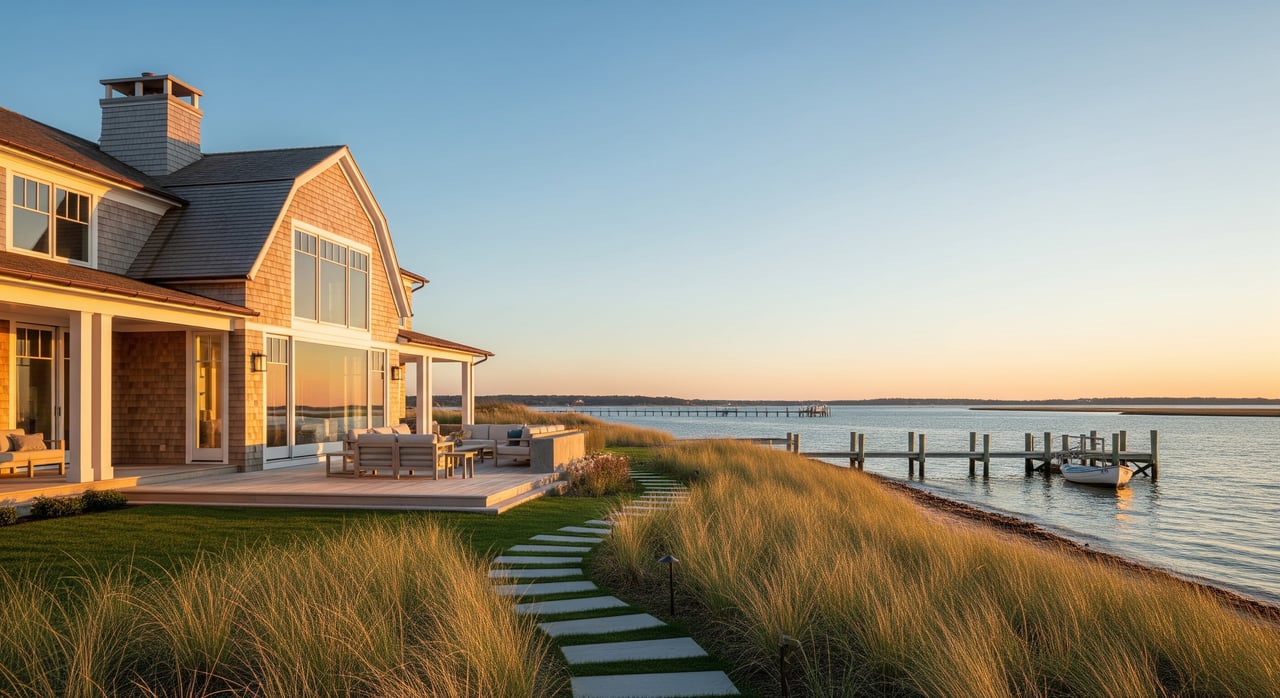
Thinking about buying in East Moriches and not sure if an HOA community or a stand‑alone home is right for you? You are not alone. With bayfront beauty, coastal weather, and a mix of newer developments and classic Long Island homes, the choice affects your lifestyle, monthly costs, and long‑term value. In this guide, you will learn the real differences, coastal factors that matter in East Moriches, and the exact documents and inspections to request so you can buy with confidence. Let’s dive in.
HOA vs. no HOA: what it means
An HOA is a private association that sets and enforces community rules and collects dues for maintenance, insurance, amenities, and reserves. On Long Island, this can include planned developments, condos, and some co‑op‑style communities. Single‑family homes in East Moriches may be inside an HOA or completely independent. The right fit depends on how you want to live and how you prefer to manage costs and upkeep.
Key trade‑offs to weigh
Costs and cash‑flow
- HOA: You pay monthly or quarterly dues. These often cover landscaping, snow removal, trash, exterior maintenance, master insurance for common areas, and any shared amenities. Fees can rise, and special assessments can occur if reserves are low.
- No HOA: You skip association dues, but you cover every repair and service yourself. Cash flow can be less predictable, and big expenses can hit at once.
Maintenance and convenience
- HOA: Exterior items and common areas are typically handled for you. That can be appealing if you want low‑maintenance living.
- No HOA: You manage lawn care, exterior repairs, driveways, and any shared features. You control the timing and quality, but you take on the work and cost.
Rules and personal freedom
- HOA: Rules in the CC&Rs can cover exterior appearance, fences, landscaping, vehicles, noise, pets, and short‑term rentals. This helps keep a uniform look but limits flexibility.
- No HOA: You have more freedom for alterations, storage, and rentals, subject to Town of Brookhaven codes and building permits.
Amenities and access
- HOA: Some East Moriches communities offer private roads, beach or bay access, docks, pools, or clubhouses. These can be major lifestyle benefits.
- No HOA: Amenities are limited to your property. For water access, you rely on public parks and beaches or private rights that come with a deed.
Resale and buyer pool
- HOA: Many buyers value convenience and amenities. Others avoid fees or restrictions. Lenders may review the association’s reserves, delinquencies, owner‑occupancy, and litigation.
- No HOA: Strong appeal for buyers who want control and no monthly dues. Waterfront homes with private rights can command a premium, but insurance and maintenance can be higher.
East Moriches coastal realities
East Moriches sits on Moriches Bay on the South Shore of Long Island. Coastal exposure brings storm surge, nor’easters, wind, and salt‑air corrosion, which influence materials, upkeep, and insurance.
- Flood zones and elevation: Some properties fall within FEMA Special Flood Hazard Areas. Lenders often require flood insurance if you finance a home in these zones. Ask for an elevation certificate and talk with an insurance professional early.
- Shoreline structures: For bulkheads, docks, seawalls, and shared shoreline, determine who owns and maintains them. These items require permits to build or repair and can be expensive to replace.
- Septic and wastewater: Much of eastern Suffolk County is not sewered. Many homes use cesspools or septic systems. Understand system age, condition, and any county or town upgrade requirements.
- Short‑term rentals: Rules vary by HOA and by the Town of Brookhaven. Minimum rental durations are common. Confirm limits before you plan to rent.
Due diligence checklist
If you are buying in an HOA
Request and review these items before you commit:
- Declaration/CC&Rs, bylaws, rules and regulations.
- Current budget, latest financials, reserve study, and reserve balances.
- Dues schedule, recent increases, and any special assessment history.
- Association insurance certificate, coverages, limits, and deductibles.
- Meeting minutes from the past 6 to 12 months and the most recent annual meeting.
- Delinquency rates, collection policies, and any pending litigation.
- Management agreement, recent or planned capital projects, and funding plans.
- Written rules on rentals, pets, parking, and exterior changes.
- Required resale or estoppel documents for closing.
If you are buying a non‑HOA home
Gather records and verify responsibilities:
- Deed, title report, covenants, and any easements for private roads or shared driveways.
- Septic or cesspool inspection and service records, plus estimated remaining life.
- Flood elevation certificate if available, plus any past flood insurance claims.
- Reports and permits for bulkhead, dock, or seawall work; confirm who maintains them.
Inspections that matter in East Moriches
- Full home inspection covering structure, roof, systems, and electrical.
- Septic inspection and a Suffolk County Department of Health Services compliance check.
- Wood‑destroying organism inspection for termites.
- Chimney and fireplace inspection for older homes.
- Elevation verification if in a flood zone and a coastal or erosion risk assessment for waterfront.
Financing and insurance impacts
Lenders look closely at HOA financial health. Low reserves, high delinquencies, frequent special assessments, or active litigation can limit loan options. Some loan programs set additional approval criteria for condos and community associations.
For non‑HOA homes, standard mortgage underwriting applies, but flood zones and septic issues can affect approvals and insurance. In coastal areas, homeowners policies may include separate wind or hurricane deductibles. Flood insurance is separate from most homeowners policies, and availability and pricing vary by elevation and risk.
Resale value factors
HOAs can stabilize neighborhood appearance and preserve values by enforcing consistent standards. If dues are high or rules are very restrictive, some buyers may hesitate. Non‑HOA homes offer flexibility, which can broaden the buyer pool. Waterfront homes or homes with private rights can carry premiums, but upkeep and insurance costs should be weighed in pricing and marketing.
When an HOA may be the better fit
Consider an HOA if you want:
- Low‑maintenance living with exterior work, roads, and landscaping handled.
- Access to amenities like private bay or beach access, docks, pools, or clubhouses.
- Predictable shared costs and a uniform community look.
- A governance structure that sets clear standards and handles common repairs.
When a non‑HOA home may suit you best
Consider a non‑HOA home if you value:
- Flexibility for renovations, outdoor storage, and rental choices within local code.
- No monthly association dues and the freedom to manage your own budget.
- Control over maintenance decisions and vendor choice.
- A wider range of property styles, lot sizes, and waterfront options.
Smart offer strategy in either case
- Ask the right questions: What are current dues and what do they cover? How much is in reserves? Are assessments planned? What are the rules on rentals and exterior changes?
- Price for risk and value: Factor in flood zone, elevation, septic condition, and any shoreline structures. For HOAs, adjust for fees and the association’s financial health.
- Line up insurance early: Get quotes for homeowners, flood, and any wind or hurricane coverage before the end of your contingency period.
- Partner with local pros: Use a Long Island real estate attorney who knows association documents and coastal issues, plus inspectors and surveyors familiar with Suffolk County requirements.
Next steps
Choosing between HOA and non‑HOA living in East Moriches comes down to your lifestyle, how hands‑on you want to be, and how you prefer to manage risk and costs. With coastal factors like flood zones, septic systems, and shoreline structures in the mix, a careful, document‑first approach will save you time and stress.
If you would like a local, experienced guide, reach out to Donna Lomenzo. With decades of Suffolk County expertise and a calm, client‑first approach, she will help you compare options, review the right documents, and move forward with clarity.
FAQs
What is an HOA and how do HOAs work in East Moriches?
- An HOA is a private association that enforces rules and collects dues for shared upkeep, insurance, and amenities based on governing documents like CC&Rs and bylaws.
How can HOA dues or special assessments change over time?
- Review the budget, reserve study, meeting minutes, and capital project plans to gauge pressure on dues and the likelihood of special assessments.
Are short‑term rentals allowed in East Moriches communities?
- Rules vary; many HOAs limit or prohibit short‑term rentals and the Town of Brookhaven also regulates rentals, so verify both before you buy.
Do I need flood insurance for a home in East Moriches?
- If the home is in a FEMA Special Flood Hazard Area and you have a mortgage, lenders often require flood insurance; confirm zone status and premiums early.
Who maintains bulkheads, docks, or beach access in waterfront areas?
- Maintenance can fall to the HOA or the individual owner; check association documents or the deed to see who is responsible and whether permits are current.
What septic and wastewater issues should I check in Suffolk County?
- Confirm system type, age, recent service, and any required upgrades with a septic inspection and a Suffolk County Department of Health Services compliance check.