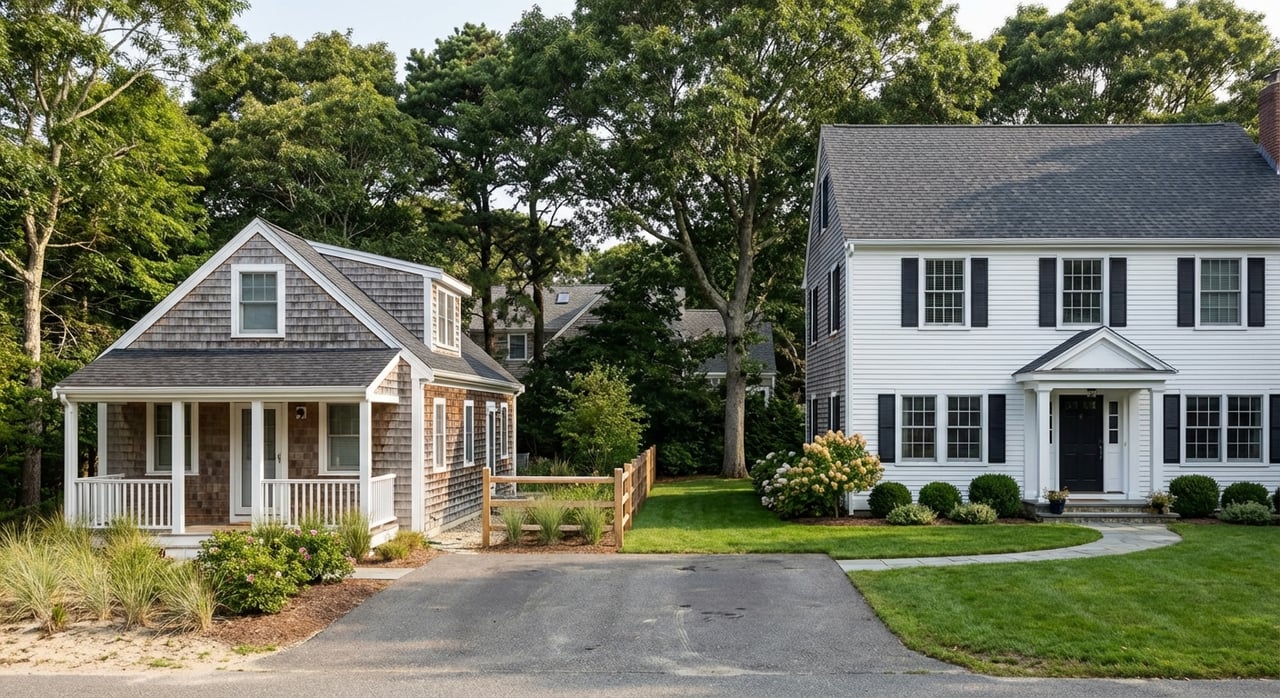
Torn between the charm of a beach cottage and the comfort of a suburban home in Sound Beach? You are not alone. The North Shore lifestyle is special, but each option comes with different space, maintenance, and cost considerations. In this guide, you will learn how cottages compare to inland homes on size, systems, flood and insurance topics, SBPOA beach access, and resale. You will also get a practical checklist to use before you buy. Let’s dive in.
Sound Beach at a glance
Sound Beach sits on Long Island’s North Shore in the Town of Brookhaven. It is a small hamlet with a shoreline setting that shapes daily life and real estate choices. You get quick access to the Long Island Sound and a true neighborhood feel. Learn more about the area’s background from the Sound Beach overview.
The community has roughly 7,000 to 7,500 residents and a high share of single-family homes. Values vary widely by street and proximity to the water. You will want address-level data for pricing. See a snapshot of local demographics at Census Reporter’s Sound Beach profile.
Beach access is organized in part through the Sound Beach Property Owners’ Association (SBPOA). Membership involves annual dues and beach tags, which is a real cost and lifestyle factor if you want regular shore access. You can view the details on SBPOA membership and tags.
Families should confirm the school district tied to each parcel. Sound Beach includes areas served by both the Rocky Point and Miller Place districts. Many commuters use the Port Jefferson branch of the LIRR from Port Jefferson or Port Jefferson Station.
Beach cottage: what you get
Layout and size
In Sound Beach, the term beach cottage usually refers to older, smaller homes close to the shore. Many are 1 to 2 bedrooms with compact floor plans and one bath. A typical example is a small ranch-style cottage around 680 square feet that focuses on location over interior space, like this compact Sound Beach cottage example.
Lot and outdoor living
Lots near the water are often smaller, commonly under 0.1 to 0.15 acres. You might see narrow yards, decks, minimal driveway space, and stair access down bluffs to the shore. The tradeoff is easy beach access and water views for some locations.
Foundations and flood exposure
Many close-to-shore cottages were built earlier and sit on shallower foundations. Bluff stability and flood exposure are important to review. Coastal building guidance recommends elevated or open foundations in high-wave areas. For any waterfront or near-shore property, ask for an elevation certificate and foundation details, and review FEMA’s coastal guidance in the Coastal Construction Manual.
Systems and seasonal readiness
Older cottages may have oil-fired heat, baseboards, and thinner insulation. Some were seasonal and later winterized. If you want year-round comfort, plan for upgrades to insulation, heating, and possibly septic.
Suburban home: what you get
Space and floor plans
Inland homes in Sound Beach tend to be larger and built for full-time living. You will commonly see 3 to 4 or more bedrooms, multiple baths, and full basements or multi-level layouts. This extra square footage supports storage, home offices, and multi-generational needs.
Lot size and privacy
Lots are typically deeper than near the shore, with room for play areas, gardens, and additions. Garages are more common, and you get more buffer from wind and sea spray. This can reduce wear on exterior finishes and systems.
Utilities and infrastructure
Public water is common, while sewer service is not uniform in all North Shore neighborhoods. Many parcels still use private septic or cesspools. Confirm utility connections for each property and plan a professional septic evaluation for homes on on-site systems.
Coastal costs to budget
Salt, wind, and storm maintenance
Coastal exposure speeds up corrosion of metal connectors and HVAC condensers, shortens paint life, and increases deck and rail replacement frequency. Plan for higher ongoing maintenance if you buy near the water. FEMA’s coastal resources outline materials and practices that perform better in salt air, which you can review in the Coastal Construction Manual.
Flood maps and flood insurance
Check the FEMA Flood Insurance Rate Map for the exact parcel to see if it is in a Special Flood Hazard Area. Even properties outside high-risk zones can flood. Visit the FEMA Map Service Center and ask the seller for any existing elevation certificate.
Flood insurance premiums vary by location and building specifics. Policies in lower-risk zones may be a few hundred dollars per year, while high-risk coastal properties can be much more. Get an address-specific quote at FloodSmart’s insurance resource.
Wind and hurricane deductibles
In downstate New York coastal areas, homeowners’ policies often include a separate hurricane or named-storm deductible. This is usually a percentage of the dwelling coverage and can be significant. Review policy terms closely. You can read more on how these deductibles work from the industry overview on named-storm deductibles.
Coastal erosion and rebuild limits
State and local Coastal Erosion Hazard Area rules can limit repairs or rebuilding for structures in mapped erosion zones. If a bluff-top home is heavily damaged, rebuilding in place might be restricted. Before you buy, confirm CEHA mapping and rules for the parcel. A helpful overview is the New York section on Erosion Response.
Price, taxes, and resale
Purchase prices generally reflect the tradeoff between proximity to the Sound, home size, and the age of systems. Cottages often have lower entry prices but can require near-term renovations and higher long-term maintenance. Inland suburban homes cost more up front but often need fewer immediate upgrades, depending on age and renovation history.
As a rough comparison, recent Sound Beach examples show small cottages in the low-to-mid $300,000s to around $450,000, with larger inland homes commonly above $500,000 to $700,000 depending on size and updates. Always rely on live, address-level comps for your decision.
Property taxes vary by assessed value and school district levy. Review the seller’s latest tax bill to understand the full annual cost. Your lender’s escrow estimate should reflect homeowner’s insurance, any flood policy, and taxes.
Resale demand differs by property type. Cottages can draw buyers who prioritize the coastal lifestyle, while suburban homes often appeal to year-round buyers who want more space. Keep in mind that flood map changes and erosion headlines can affect near-shore values over time.
SBPOA beach access matters
If regular beach access is part of your lifestyle plan, factor SBPOA membership into your budget. Membership involves annual dues and beach tags, and it governs access for certain shoreline areas. Confirm if a property is eligible and what current dues and tag requirements are through the SBPOA membership page.
Short-term rentals in Brookhaven
The Town of Brookhaven requires rental registration and has historically restricted short-term, transient rentals. If you hope to support your purchase with vacation rental income, get clear on what is allowed before you buy. A concise overview is the Brookhaven short-term rental guide.
Which home fits you
Choose a beach cottage if you:
- Value walkable access to the Sound and a cozy footprint.
- Are comfortable budgeting for higher coastal maintenance and possible system upgrades.
- Plan to use the property seasonally or as a weekend retreat.
Choose a suburban home if you:
- Need more bedrooms, storage, and flexible living areas for full-time life.
- Prefer a deeper lot, garage, and more distance from salt and wind.
- Want stronger options for additions or long-term updates.
Either way, confirm flood zone, insurance costs, utilities, and local rules before you move forward.
Buyer checklist for Sound Beach
Use this list to organize your decision and due diligence:
- Flood zone and elevation: Ask for an Elevation Certificate and check the parcel at the FEMA Map Service Center.
- Coastal erosion rules: Review New York’s CEHA context to understand potential rebuild limits, starting with this Erosion Response overview. Confirm details with NYS DEC and the Town.
- Septic evaluation: If the home is on a private system, schedule a professional inspection. The EPA’s septic resources explain why this matters; see Title V guidance in this EPA reference.
- Roof and connectors: Salt air accelerates corrosion, so have a coastal-experienced inspector check fasteners and structural connectors. FEMA’s Coastal Construction Manual outlines what to watch for.
- HVAC and insulation: Confirm the home is winterized for year-round comfort, especially in older cottages.
- SBPOA access: Verify eligibility, current dues, and beach tag rules through SBPOA membership.
- Insurance quotes: Get address-specific homeowners and flood quotes. Start with FloodSmart’s insurance resource and ask your insurance pro about named-storm deductibles.
- Utilities and drainage: Confirm public water and sewer versus septic, and ask about any recent neighborhood drainage projects.
- School district: Verify the assigned district at the parcel level if that is important to your plans.
- Rentals and permits: If you plan to rent, check Brookhaven’s rental registration and short-term rules. A helpful summary is the Brookhaven short-term rental guide.
- Appraisal comps: Ask for water-proximate comps and inland comps so you can see how the market values location, size, and updates.
- Specialists: Consider hiring a coastal-experienced home inspector or structural engineer for bluff-top or elevated homes.
Ready to compare homes
Choosing between a beach cottage and a suburban home in Sound Beach comes down to how you want to live and what you want to spend over time. With clear priorities, address-level data, and the right inspections, you can buy with confidence. If you are ready to tour both options or want neighborhood-level comps, reach out to Donna Lomenzo for local guidance tailored to your plans.
FAQs
What is the main difference between cottages and suburban homes in Sound Beach?
- Beach cottages trade interior space for proximity to the Sound, while suburban homes offer larger floor plans, deeper lots, and more year-round infrastructure.
How does SBPOA beach access work for Sound Beach homeowners?
- SBPOA manages certain beach access with annual membership and tags, so confirm a property’s eligibility and current dues on the SBPOA membership page.
Do Sound Beach homes require flood insurance?
- It depends on the parcel’s FEMA flood zone and elevation; check the FEMA Map Service Center and get address-specific quotes from FloodSmart’s resource.
What should I know about hurricane or named-storm deductibles in New York?
- Many coastal homeowners’ policies include a separate percentage deductible for named storms, which can be large, so review your policy’s terms and examples in this industry overview.
Are short-term rentals allowed in Brookhaven?
- Brookhaven requires rental registration and has restrictions on transient rentals, so verify current rules early; see the Brookhaven short-term rental guide.