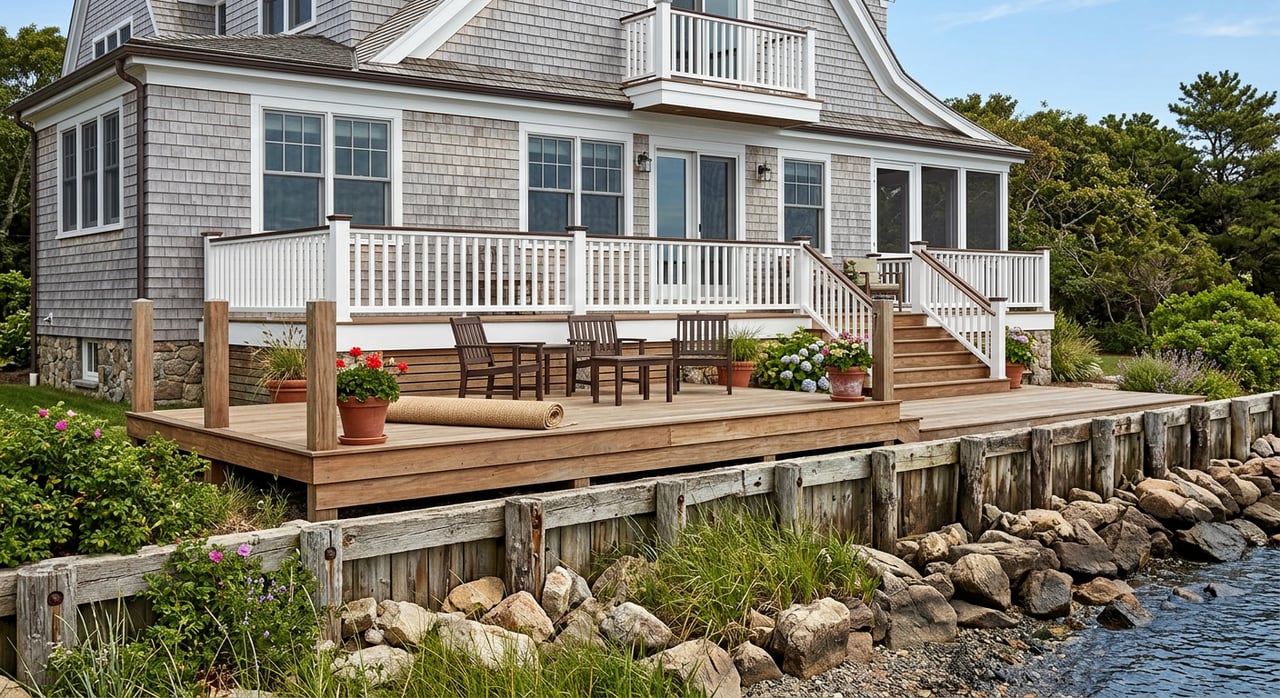
Imagine watching the bay change colors with the tide while your boat sits just steps from your back door. If you love that idea, you’re not alone — Moriches is a favorite for South Shore living. Still, waterfront comes with unique rules, risks, and costs that are different from a typical suburban home. In this guide, you’ll learn what to check, how to budget, and which steps protect your investment before you make an offer. Let’s dive in.
Moriches waterfront at a glance
Moriches, including Center Moriches and East Moriches in the Town of Brookhaven, sits on Long Island’s South Shore with direct access to Moriches Bay and the Atlantic via Moriches Inlet. The inlet and nearby channels are actively managed, which affects navigation depth and where dredged sand is placed on beaches. If boating is part of your plan, understand that dredging and channel conditions can change access and water depths season to season. You can review how the inlet is maintained in the U.S. Army Corps of Engineers fact sheet for Moriches Inlet.
Know the coastal risks
On the South Shore, storm surge and coastal flooding from nor’easters and hurricanes are the biggest short‑term hazards. Over the long term, sea‑level rise increases the frequency of high‑tide and nuisance flooding and can influence shoreline erosion. New York planners already use sea‑level projections when they permit and design resiliency projects; you should treat this as a factor that may affect insurance and maintenance over time. For background, see the state’s climate science summary of sea‑level trends in the region via National Institutes of Health’s open resource.
Permits, docks, and property lines
Waterfront structures like bulkheads and docks typically need permits from multiple agencies. Expect to see New York State Department of Environmental Conservation (NYSDEC) tidal wetlands and shoreline permits, and in some cases federal U.S. Army Corps of Engineers approvals for in‑water work. NYSDEC’s bulkhead removal and replacement permit page is a helpful starting point. Always ask the seller for permit records and any prior authorizations before you submit an offer.
Property boundaries can be complex at the water’s edge. The line between private upland and public tidelands often follows a tidal datum such as mean high water, which may move over time. Your attorney and surveyor should verify the current mean high water location, note any encroachments or easements, and confirm deeded rights such as slips, moorings, or shared facilities. Get these answers early so your expectations match what you are actually buying.
Insurance and your lender
Standard homeowners insurance does not cover flood from rising surface water or storm surge. Flood insurance must be purchased separately through the NFIP or a private flood market, and lenders require it if your property sits in a FEMA Special Flood Hazard Area. Learn the basics in FEMA’s explainer on what homeowners policies do and do not cover for flood.
Your lender will order a flood determination on the address. You can check the official FEMA mapping on your own using FEMA’s tools for flood maps and letters of map change. If the home is in a high‑risk zone, you should budget for a flood policy as part of your carrying costs.
NFIP pricing and Elevation Certificates
FEMA’s Risk Rating 2.0 ties NFIP premiums to property‑specific risk, such as elevation, distance to water, and construction type. Two homes next door to each other can have different premiums. Get written quotes that reflect the site’s true elevations, and read FEMA’s overview of Risk Rating 2.0 to understand what drives pricing.
An Elevation Certificate, prepared by a licensed surveyor or engineer, is often needed for accurate NFIP quotes. It is also key if you plan to request a map change in the future. Learn what an EC includes using FEMA’s Elevation Certificate guidance.
Private flood and wind deductibles
Private flood insurance can offer higher limits or different coverages than the NFIP. Many lenders will accept private flood if it meets federal standards, but terms vary. For an overview of lender acceptance and tradeoffs, see this Congressional Research Service summary.
In coastal New York, homeowners policies often include percentage‑based wind or hurricane deductibles. These are calculated as a percentage of your dwelling limit and can be much larger than a standard deductible. Review the trigger language and cost exposure with your agent, and see the Insurance Information Institute’s primer on hurricane and windstorm deductibles.
Septic rules and upgrade costs
Much of Suffolk County is unsewered. For new builds and many renovations, the County now requires nitrogen‑reducing septic systems to protect local bays. If the home you are buying has an older cesspool or septic, you may face an upgrade in the near term for permits or financing. Review Suffolk County’s Reclaim Our Water program and code updates on the Health Department’s page to understand potential costs and grants.
Common features and upkeep
Waterfront properties here often include bulkheads, docks, pilings, and sometimes boatlifts. Many homes are elevated on crawlspaces or piles, with mechanicals placed higher to reduce flood risk. Maintenance is part of the lifestyle: bulkheads need periodic inspection and repair, salt air can speed corrosion, and wood and paint may wear faster than inland homes. If you plan to rely on a dock or slip, verify water depth and understand that some channels shoal and require periodic dredging; inlet and channel dredging also occurs within larger federal and county cycles.
Smart due diligence for Moriches buyers
Move fast on the fun, but be methodical on the essentials. Here is a practical checklist to use during your inspection period:
- Flood zone and elevation
- Confirm the FEMA flood zone and Base Flood Elevation for the address, and order or obtain an Elevation Certificate if one is not on file. FEMA’s mapping tools and forms will guide you on what exists for the property.
- Insurance quotes in writing
- Get NFIP quotes that use the EC data and ask about private flood options. Review wind and hurricane deductibles so you know your true exposure. FEMA’s overview of Risk Rating 2.0 is helpful context.
- Bulkhead, dock, and permit history
- Ask the seller for bulkhead and dock permit records and repair history. Verify that any replacements or additions were permitted under NYSDEC rules using the bulkhead permit page.
- Septic system status
- Request pumping and inspection records, and confirm whether a nitrogen‑reducing upgrade will be required soon under Suffolk County rules. The County’s program page outlines current requirements.
- Survey, MHW line, and rights
- Have a surveyor show the mean high water line, bulkhead location, any encroachments, and confirm deeded access or slip rights. Ask for a stamped survey suitable for an Elevation Certificate.
What to inspect closely
Your general home inspection should be paired with a waterfront‑focused look at the structure and shoreline features. Ask for the condition of pilings or foundation, any signs of scour or undermining, and corrosion in connectors and fasteners. Check for evidence of prior flood damage, such as mold or structural repairs, and confirm the height of mechanicals and electrical panels.
For shoreline structures, evaluate the age and condition of the bulkhead, looking for leaning, settlement, or loss of fill behind the wall. Review any visible seepage lines and ask for repair receipts. If a dock or lift is present, confirm its permits, hardware condition, and whether water depth meets your boating needs through normal tide ranges.
How your agent keeps you protected
A local buyer’s agent adds real value by coordinating the right experts at the right time. On the South Shore, that often means ordering a survey and Elevation Certificate, pulling Town and state permit files, and arranging specialized inspections for the bulkhead, dock, and septic. Your agent should also introduce you to insurance professionals who handle coastal Long Island risks so you can compare NFIP and private flood, and understand wind deductibles before you waive contingencies. Finally, good contract language matters, such as contingencies for acceptable insurance quotes, survey results, and septic findings, plus timing around policy waiting periods and lender requirements.
The bottom line
Waterfront in Moriches is special, and it can be a smart long‑term choice when you go in with clear eyes. The key is to turn big‑picture warnings into parcel‑specific answers during your due diligence. With the right permits verified, insurance modeled, and systems inspected, you will be ready to enjoy the view and the lifestyle with confidence.
If you are considering a South Shore home and want a steady guide from first showing to smooth closing, connect with Donna Lomenzo for local, hands‑on buyer representation.
FAQs
How do I check if a Moriches home is in a flood zone?
- Use FEMA’s tools for flood maps and letters of map change, then confirm the finding with your lender’s flood determination and an Elevation Certificate.
Does homeowners insurance cover storm surge in Moriches?
- No, standard homeowners policies exclude flood from rising water; you need a separate NFIP or private flood policy as explained in FEMA’s flood insurance basics.
What is FEMA’s Risk Rating 2.0 and why does it matter?
- It is the NFIP’s pricing method that uses property‑specific risk, so your premium depends on factors like elevation and distance to water; read FEMA’s Risk Rating 2.0 overview.
Do I need an Elevation Certificate to buy a waterfront home?
- Not always, but an EC is often required for accurate NFIP quotes and can be essential for certain lender or map change processes; see FEMA’s Elevation Certificate guidance.
Can I use private flood insurance for a mortgage in Moriches?
- Many lenders accept private flood if the policy meets federal standards; the Congressional Research Service summary explains acceptance rules and tradeoffs.
Will Suffolk County require a septic upgrade on a waterfront home?
- It depends on the system and your project, but many new builds and renovations must install nitrogen‑reducing systems; check the County’s Reclaim Our Water update and ask for a septic inspection early.